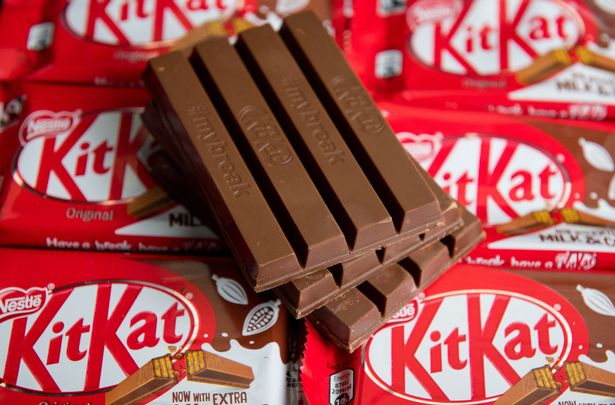
We all like a KitKat now and then, but few are aware of the process that goes into making the iconic wafter cuddled beneath the delicious chocolate shell.

Nestlé chocolate bars were originally manufactured in 1935, and millions of us recall having one as a pleasure in our school lunchboxes or digging into one to relax after a long day at work.
But do you know how Nestlé’s well-known KitKats are created? Many others do not, and they have been appalled after discovering the truth through a new film that has gone viral online, according to the Daily Star.
This week, popular YouTuber Zack D. Films released a video titled The Inside Of Kit Kats Are Not What You Believe, in which he demonstrated that the wafer within the chocolate treat is really made of other discarded KitKats that were broken during the manufacturing process.

Instead of throwing away the inappropriate bars, Nestlé crushes them and uses them to make new wafers, lowering Nestlé’s waste production.
“They [Nestlé] say it’s just a crisp wafer,” he said. What they used to manufacture it, though, may surprise you.
“Some KitKats break during the manufacturing process, and instead of throwing them away, the company smashes them up and adds sugar.” Broken up KitKats are what the insides of KitKat bars are made of.”
The footage has already been viewed over 6 million times and has left viewers surprised, with many admitting they had no idea how KitKats were made.
“There’s no way a KitKat is inside a KitKat, I never would have guessed!” cried one.
“This takes recycling to a whole new level,” another person said.
One viewer, though, was left with an important question: “So then… what was the original KitKat bar made of?”

Nestlé first revealed that it uses abandoned KitKat bars to make the wafers in new KitKat bars in 2015 when the company confirmed the method on the BBC documentary Inside the Factory.
Gregg Wallace went to the Nestlé facility in York, where employee Julie Walker demonstrated how wafers are made while cameras caught her removing damaged bars from the conveyor belt and dumping them into a blue bucket.
“They all go into rework, where they’re used for the fillings for the wafers,” Julie said in response to Gregg’s question on what happens to the bars she collects. We’re weeding out those who aren’t performing well.”