
A girl who was born and grew up in Hawaii talks about what tourists should and shouldn’t do when they visit Hawaii.
Visitors should not interact with animals, disregard signs, or depend on ride-hailing services for transportation.
It is important to prepare ahead of time, pack appropriately, respect local customs, and give back to the community.
1. Travelers do not always consider environmental preservation.
It is critical for tourists to help repair and preserve tourist locations, leaving them in better condition than when they arrived.
Malama Hawaii, a program that will debut in late 2020, links travelers with groups that provide volunteer opportunities like beach cleanups and conservation projects.
Volunteers may earn special offers in exchange, such as a free one-night stay at some resorts, making it a win-win situation for everyone involved.
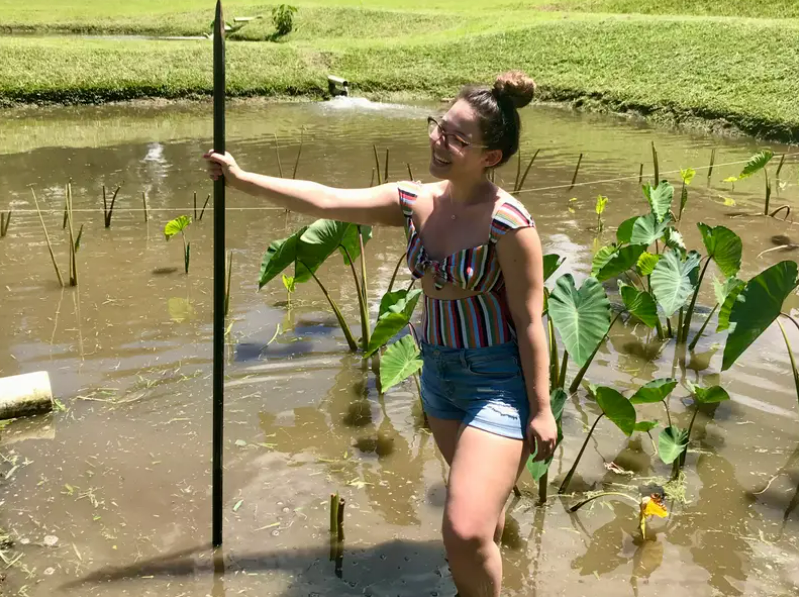
2. Misspelled Hawaiian words and phrases seem to be the norm.
When foreigners mispronounce the Hawaiian language, it is frequently an unintentional error.
Non-Hawaiian speakers often pronounce mahalo (“thank you” in Hawaiian) as “ma-halo” rather than “ma-HAH-low.”
Many local expressions are derived from Pidgin, a creole language used in Hawaii, which explains why certain terms are pronounced differently than in mainland English.
However, some tourists purposefully pronounce things improperly in order to mock the language.
I once heard someone sarcastically try to pronounce the name of Hawaii’s state fish, humuhumunukunukuapua’a. When my buddy corrected someone’s pronunciation of Maui, our native island, they retaliated by telling her she was incorrect.
Both of these instances were quite insulting.
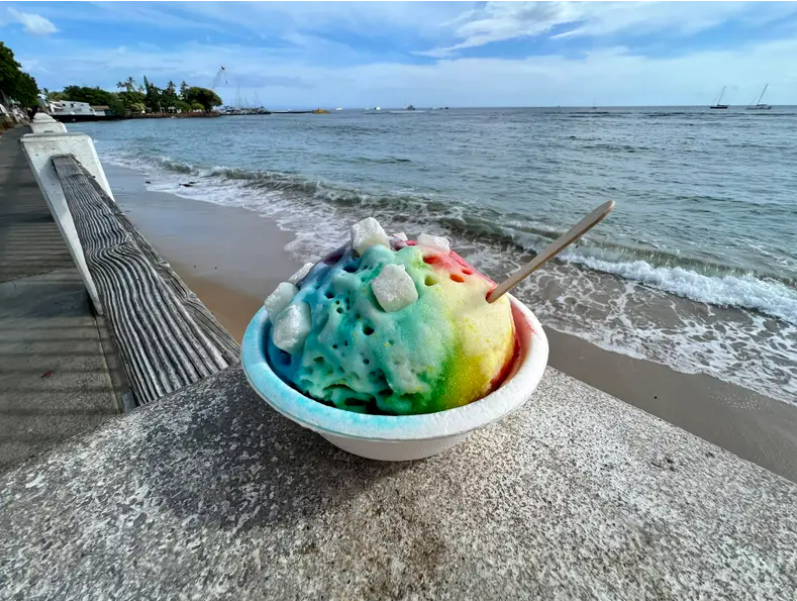
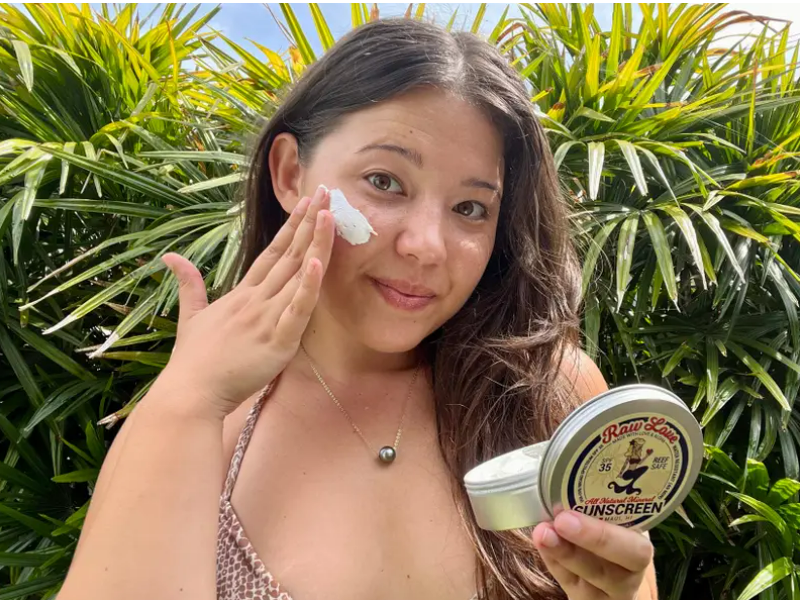
3. Some individuals may not use enough sunscreen, while others may use too much.
I often observe visitors using spray sunscreen, which is harmful to the ozone layer and reefs.
Although the state of Hawaii officially prohibited the production and purchase of sunscreens containing oxybenzone and octinoxate in 2021, guests have continued to bring their own.
Check that any sunscreen purchased is reef-safe.
People should also remember to reapply on a regular basis.
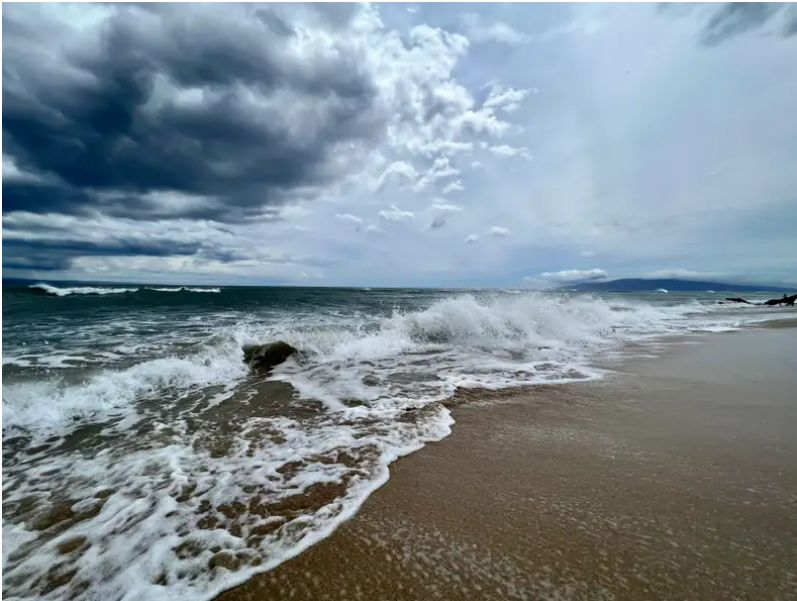
4. Many tourists underestimate the power of the water.
People should be mindful of their environment at all times, particularly at the beach.
They should choose locations with lifeguards on duty, never turn their backs on the water, and remain a safe distance from the beach break.
If someone is trapped in a rip current while swimming, they should not swim against it. They should instead swim parallel to the coast.
If someone is unable to escape via swimming, they should float or tread water and call for rescue if necessary. Anyone who sees someone in peril should seek the assistance of a lifeguard or call 9-1-1.
5. Tourists aren’t usually aware of the importance of the places they visit.
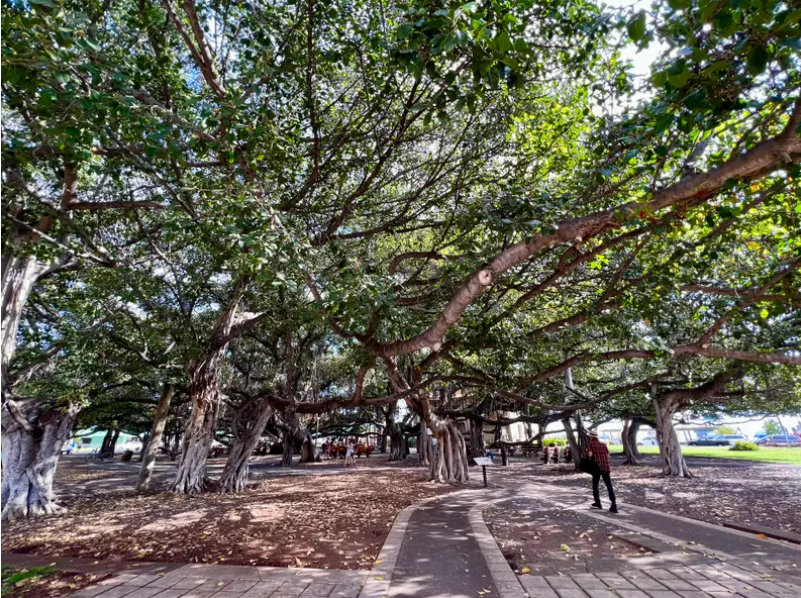
I was raised in Lahaina, the Hawaiian kingdom’s capital before King Kamehameha III relocated it to Honolulu in 1850.
Nowadays, many visitors come to my homeland of Maui to shop and dine in the downtown area. Many people are unaware that they are passing historic sights such as the United States’ biggest banyan tree or Queen Kepolani’s burial.
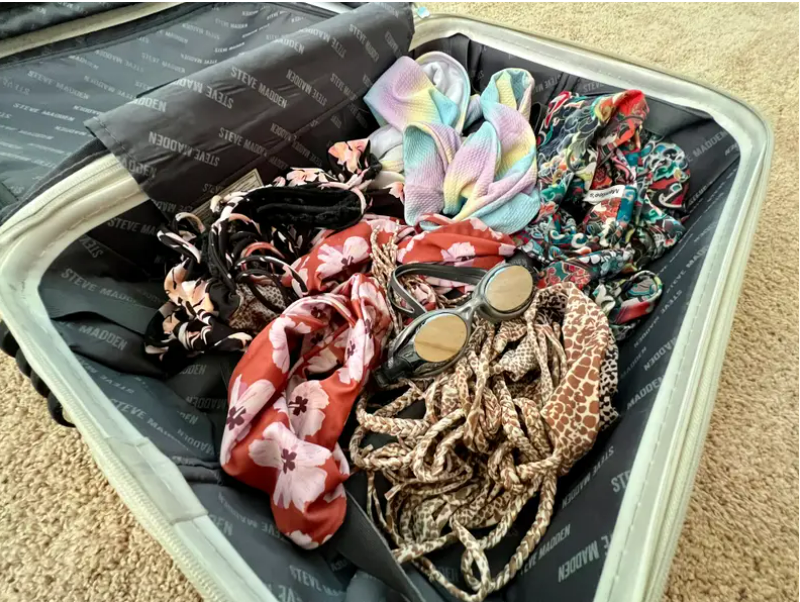
6. Many individuals pack the incorrect clothing because they expect the weather will always be hot.
Despite the fact that Hawaii is a tropical paradise, travelers need more than just swimsuits.
Many locations are prone to rain, and temperatures on Mauna Kea have dropped as low as 12 degrees Fahrenheit, varying with the time of year.
You never know where your island excursions will lead you, so be prepared for everything. For example, the first time I saw snow was at Haleakala National Park on Maui.
7. Tourists do not always maintain a safe distance from animals.
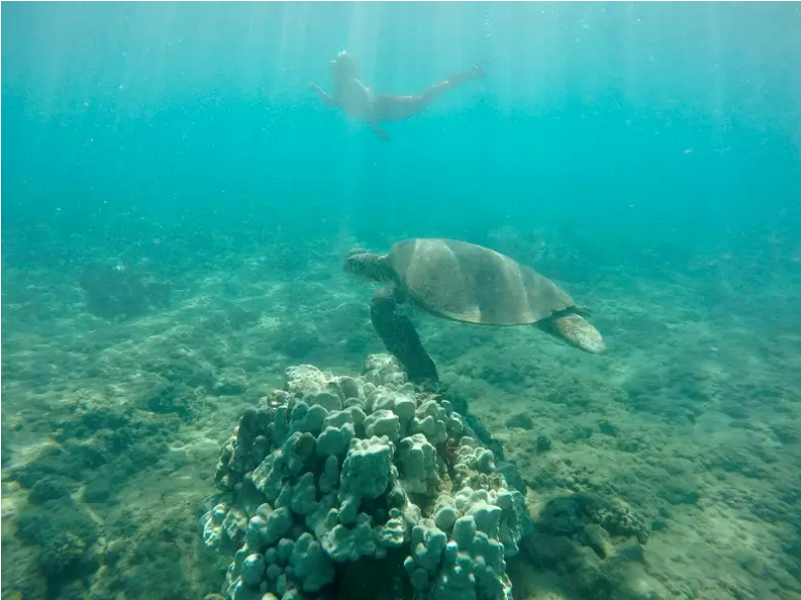
There was a day I had to stop a visitor from sitting on one of the green sea turtles basking on the beach at Ho’okipa Beach Park, a popular spot to see them. They assumed it was a rock at first.
Turtles should be kept at least 10 feet away; dolphins and monk seals at 150 feet; and whales at 300 feet.
If they’re swimming in the water and one of these animals approaches them, they should give it room and avoid touching it.
Tourists never should nourish wild animals, including land animals.
8. People miss the wonderful afterglow of the sunset because they turn their backs on it too soon.
Once the sun has set, the sunset is far from over. But every time I see this everyday spectacle from a popular location, a large number of visitors depart much too quickly.
The afterglow is nearly always the greatest part, so tourists should take their time and thoroughly appreciate the breathtaking vistas until all of the colors have gone away.