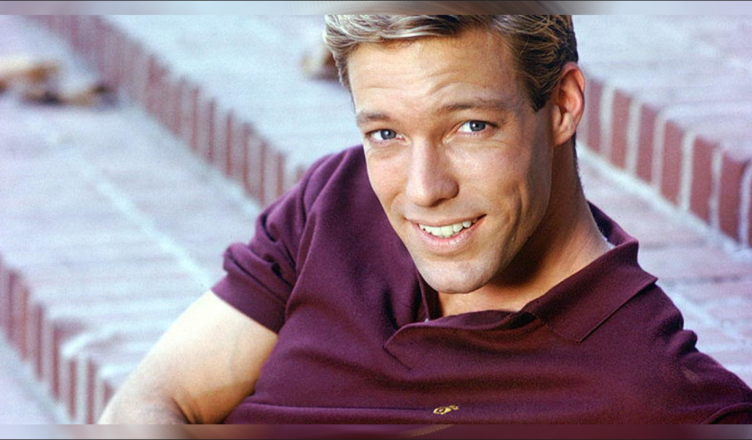
Richard Chamberlain was a movie star in his youth when he landed the role of Dr. Kildare in the title sitcom in the 1960s. The actor, a good-looking young guy with potential, achieved success in both television and cinema before shifting his concentration to the stage. He still performs in all three media, demonstrating his versatility as a performer. In the 1988 made-for-TV film “The Bourne Identity,” he was the first actor to play action hero Jason Bourne.
Even though Chamberlain is from an older time in Hollywood, he has kept his career going. In the 1990s and 2000s, he appeared in movies and TV shows like “The Drew Carey Show,” “Will & Grace,” “Desperate Housewives,” “Chuck,” “Brothers & Sisters,” and “Justice League: Gods and Monsters.”
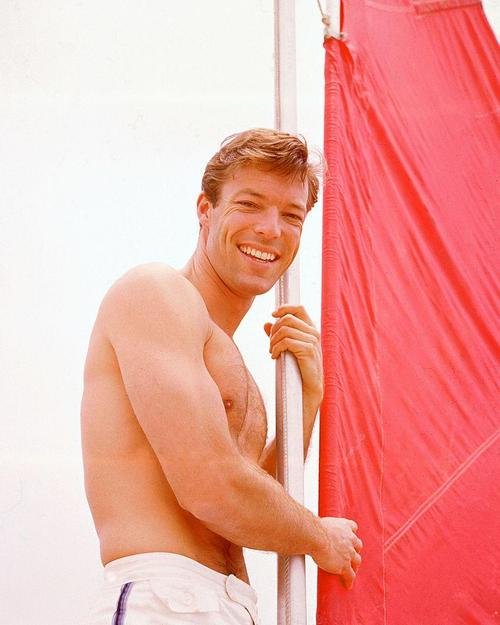
Despite his illustrious acting career, Chamberlain was troubled by a major secret for most of his life. Chamberlain was outed as gay by a French magazine in 1989 at the age of 55, but it wasn’t until 14 years later, at the age of 69, that he acknowledged his homosexuality. Keeping a secret like that for most of his life must have been difficult, but the actor has subsequently come clean about why he kept it hidden for so long.
Chamberlain, at 87, is still going strong – he not only looks great, but he also does occasional acting work. Let’s take a peek at his life and career to see how great they are.
Richard Chamberlain was born on March 31, 1934, in Beverly Hills, California, and grew up listening to radio shows, particularly mysteries and dramas. Chamberlain was a quiet and shy youngster who disliked going to school. He attended Pomona College in Claremont, California after graduating from Beverly Hills High School.
He studied painting and art history at college, as well as participating in student drama plays. Chamberlain had an epiphany during his senior year of college while playing George Bernard Shaw’s “Arms and the Man.” In his 2003 book, “Shattered Passion,” he said that he experienced a “life-changing revelation as a new actor” when he discovered that “maybe [he] might embrace [his] first love and truly become an actress!”
He started looking for jobs at huge production studios shortly after graduating from college. The studio was interested in recruiting the attractive young guy with the buttery blonde hair. However, something severe would put a stop to his career. Unfortunately, the Korean War came to an end, and Chamberlain was conscripted in December 1956 to serve in the Army. He was going to be gone for 16 months. He later told “The Advocate” that his time there had not been fun, saying:
“I despised being in the Army… I dislike being told what to do. I dislike bossing others around. I was promoted to sergeant. For me, it was simply another part. ”
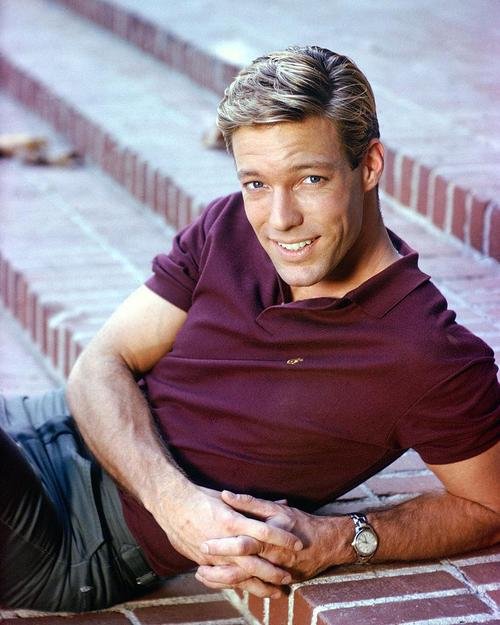
However, his absence had no effect on his objectives. When he returned to the United States, he knew precisely where he wanted to go.
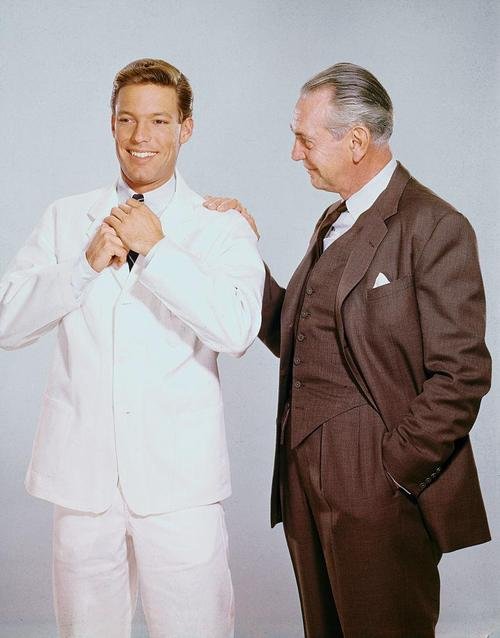
When Hollywood called, Chamberlain replied. He was cast in a few plays, but it wasn’t until 1961 that he got his big break. He landed the major role of Dr. Kildare in the medical drama “Dr. Kildare.” Chamberlain’s fan base rose rapidly, and he was lauded by reviewers worldwide. Richard Chamberlain suddenly achieved Golden Boy fame in the 1960s.
Because his self-esteem was poor, he craved fame and public affection. He described it as “excellent medication.” We can speculate. Something was still wrong with Chamberlain. Chamberlain was having a good time as the fame of “Dr. Kildare,” a medical drama about a young intern and his bond with his mentor, grew. He recalls admiring ladies following him around the stores. He also recalls driving his convertible Stingray into the hills with people behind him. A fan once approached Chamberlain for an autograph when he was high on a mountain in Switzerland. This is when his father told him he could tell he’d “made it.”
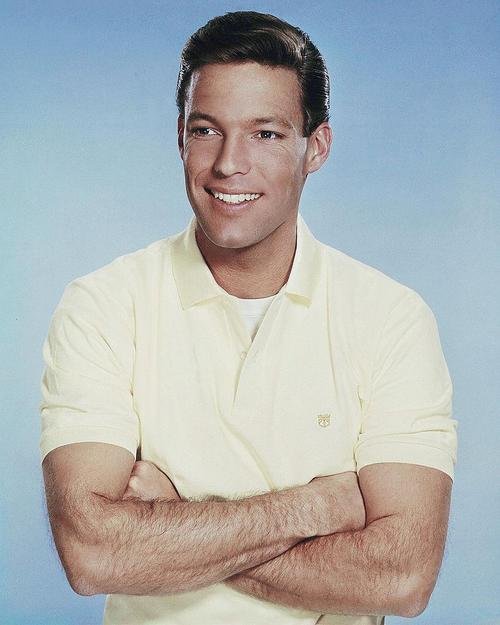
Chamberlain has revealed that he was a teen idol in his teens. He said that he used to get so much fan mail — up to 12,000 letters a week! — that he couldn’t react to everyone. He did, however, sign many items for his fans, and when he got a really touching letter or a unique handcrafted present, he took the time out of his tremendously busy schedule to respond.
Though Chamberlain enjoyed working on “Dr. Kildare” and believed the chance was a lucky break, he never appeared to have any downtime. At the time, he was under contract with MGM. MGM noticed what they had in Chamberlain and hired him for several projects during the “Dr. Kildare” off-season. When he did have a week off, he was always sent somewhere to work on PR. On most days, Chamberlain was able to attend singing lessons and dancing sessions after work. It was his particular way of getting away from work.
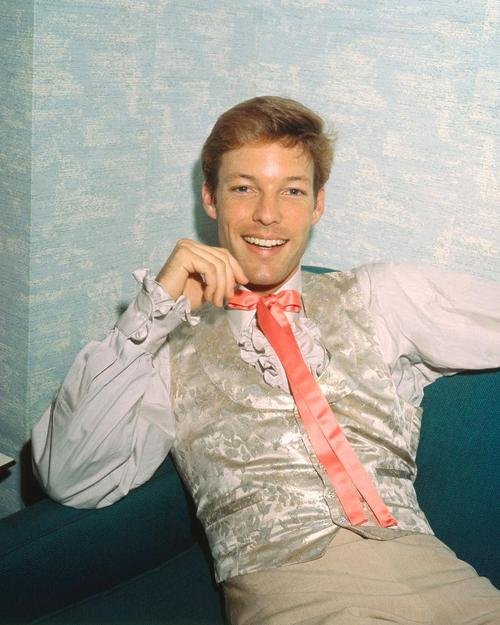
Chamberlain starred in films in addition to his role in “Dr. Kildare.” But he quickly became weary of portraying “Prince Charming” roles all the time. He sought to broaden his horizons, thus he appeared in both “Twilight of Honor” (1963) and “Joy in the Morning” (1964). Fans, though, were unimpressed. Was Chamberlain doomed to play Prince Charming forever?
This is when he decided to quit the film industry and work in the theater. Years later, he recounted how, with the best of intentions, actor Cedric Hardwicke had informed him that he’d become a celebrity before learning to act. Chamberlain recognized this and, motivated by his ambition to improve as an actor, traveled to England to hone his art by performing in the theater. He appeared in many shows, including “Private Lives,” “The Philadelphia Story,” and as Tony in “West Side Story.” In England, he appeared in famous plays like “Hamlet” in 1969 and “Richard II” in 1971. Nonetheless, Hollywood beckoned, and he finally returned.
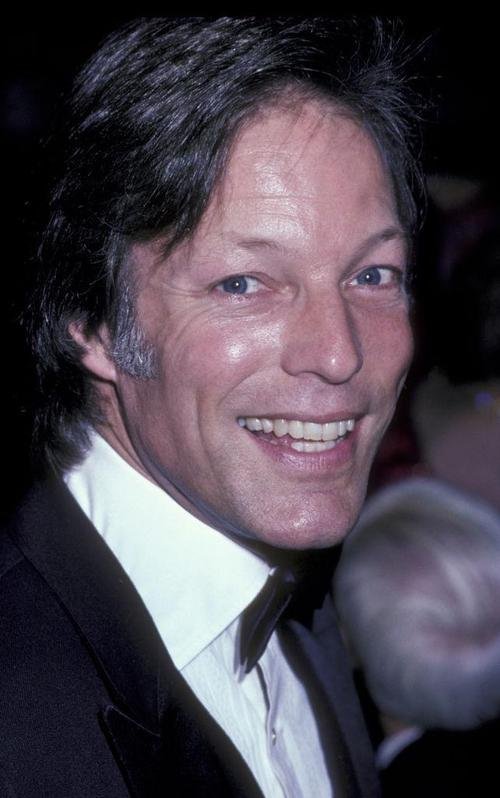
Chamberlain’s time in the UK paid off well, as he received glowing accolades for his performance. He returned to the United States and resumed his career as a star in films such as “The Music Lovers,” “The Three Musketeers,” “The Towering Inferno,” “The Count of Monte Christo,” and “The Slipper and the Rose” during the 1970s. By the 1980s, he had acted in a number of successful TV mini-series, including “Centennial,” “Shgun,” and “The Thorn Birds.” As a result, he got the moniker “lord of the mini-series.” In addition, in 1988, he played Jason Bourne in the television film “The Bourne Identity.”
Chamberlain continued to act after this, albeit largely in minor parts in films, television, and theater. He was in his fifties at the time, and he had previously shown his abilities as an actor and leading man, enabling him to take on more relaxed parts. Throughout the 1990s and 2000s, he appeared in a variety of shows, including “The Drew Carey Show,” “Will & Grace,” “Desperate Housewives,” “Nip/Tuck,” “Chuck,” and “Brothers & Sisters.” He still takes on little roles, but far less often than in past decades.
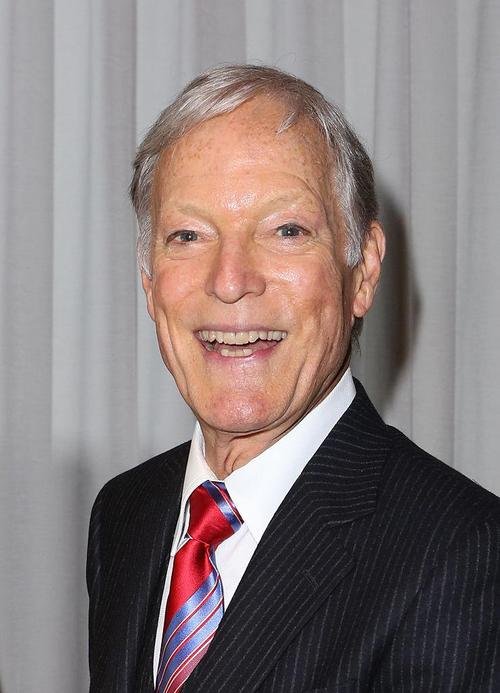
Chamberlain has not only shown his abilities as an actor to the world, but he has also been recognized for his efforts. He has been nominated for Emmys and Golden Globes, among other awards, and has won three Golden Globes for his work in television. Even though he has won awards, he doesn’t always agree with the idea that performers should be paid for their work.
Disclosing his secret
Chamberlain told the Television Academy in an exclusive interview why he doesn’t think acting awards are important:
“Winning is fantastic. I am opposed to seeing acting or any other kind of art as a horse race. With these incredible performances, claiming that so-and-so is better than so-and-so this year is ridiculous. But it’s economically essential and all that… On the other hand, when you’re in that environment and you win, it feels fantastic. ”
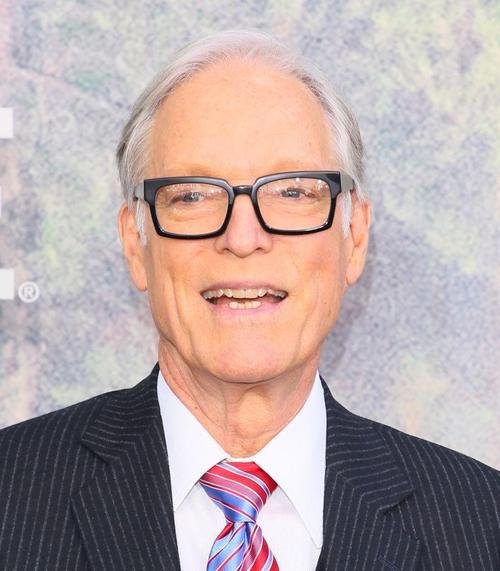
Chamberlain was recognized for his achievements once again in 2000, when he earned a star on the Hollywood Walk of Fame. His impact on theater and cinema would go on in perpetuity, but it wasn’t always easy throughout the bulk of his life. For years, Chamberlain kept a secret that might have destroyed his career.
Richard Chamberlain didn’t fully let go of the secret he’d been harboring his whole life until 2003. He was a homosexual man. He believed that being a homosexual man in the 1930s, 1940s, and 1950s was not only difficult, but also impossible. As a result, he elected to live with his secret. In his book “Shattered Love,” he came out as homosexual at the age of 69.
We can’t help but be proud of him for coming out, but also saddened that he spent so much of his life dealing with the anxieties that being homosexual gave him. He finally acquired the bravery and confidence to be himself after years of counseling.
Sadly, his secret was disclosed to the world 14 years before he felt safe coming out – in December 1989, he was outed in the press by a French women’s magazine called “Nous Deux.” It’s not fair that Chamberlain couldn’t come out on his own terms, or that he felt he couldn’t throughout the duration of his career. In an interview with “The Advocate” in 2010, he talked about how hard it has been for openly gay actors in Hollywood:
“It’s difficult. In our society, there is still a lot of homophobia. It’s regretful, dumb, callous, and immoral, yet it’s there. It’s a marvel that an actor is working, since most performers aren’t, so it’s ridiculous for a professional actor to say, “Oh, I don’t care whether anyone knows I’m homosexual” — particularly if you’re a leading guy. Personally, I would not encourage a homosexual main character actor to come out.
When asked when it is safe for an actor to go out, he said:
I’m not sure. Despite all of the fantastic developments, it is still perilous for an actor to discuss this in our highly mistaken society. Consider what occurred in California with Proposition 8. Please don’t act as though we’ve all suddenly become beautifully, blissfully accepted. ”
Despite having to wait 69 years before he felt it was safe for him to come out in Hollywood, Chamberlain is working to push boundaries and establish a culture in Hollywood where one’s sexual orientation is unimportant.
According to “The Advocate,” he talked with “Dateline NBC” in 2003 about his choice to come out:
“I’m no longer a romantic leading guy, so I don’t need to cultivate that public image.” I can speak about it now because I’m no longer terrified. ”
He talked about how being gay during a time when it wasn’t openly accepted changed how he saw himself:
When I was younger, being homosexual, a sissy, or anything like that was frowned upon. I despised myself and dreaded this aspect of myself so much that I had to suppress it. ”
While he may not have been open about it, Chamberlain did discover love discreetly. He was connected to fellow actor Wesley Eure in the early 1970s. He then started a long-term relationship with actor-writer-producer Martin Rabbett, who was 20 years his junior, in 1977. They ended up residing in Hawaii from 1986 until 2010, where they established a civil union before Chamberlain went back to Los Angeles for business in 2010. They “don’t live together anymore, and [they’re] far better friends than [they’ve] ever been,” he told the “New York Times” in 2014.
In his then-relationship, Chamberlain spoke of his then-relationship in the same “Dateline NBC” interview cited by “The Advocate,” stating, “I’m proud of my partnership.” “I’m truly pleased with myself.” He continued:
“I like my life just the way it is.”
Chamberlain has had a long and eventful life, and he is now living truly. It’s no wonder, therefore, that his greatest advice is to “simply be yourself” when you can. It’s lovely to watch him enjoying the freedom of being who he genuinely is. Chamberlain is still looking good at 87, from our perspective, with the charm and refinement that made admirers drool back in the day.
What a wonderful dude! What are your thoughts on Richard Chamberlain’s story? If you found this motivating, please share it with your friends!