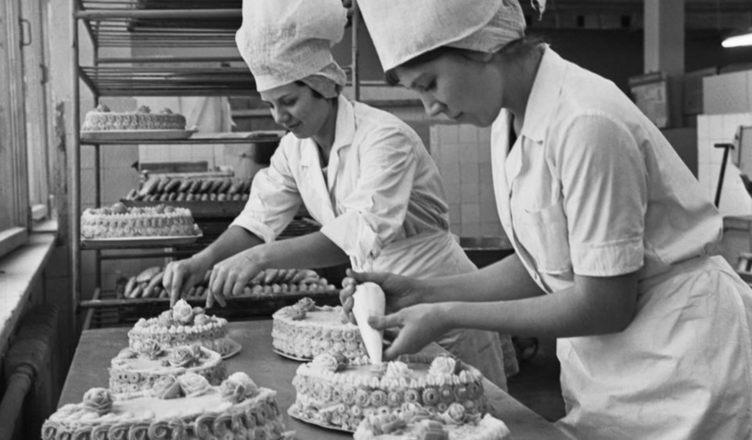
What exactly is home economics? You’ve probably heard of it-it’s the old school lesson that all the girls in school had to take to learn about taking care of a home and family, right?
That evaluation would have been accurate in the nineteenth and twentieth centuries. Home economics, or simply homemaking, was an essential component of remedial education, particularly for young women. However, home economics began to wane in the later half of the twentieth century and into the twenty-first century. Schools began to emphasize college preparation, which pushed home economics to the sidelines.
Some educators believe that basic life skills should be taught in schools. In a 2018 opinion piece for the Dallas News, Marti Harvey, who teaches at the University of Texas at Arlington, says that it is time to bring home economics back.
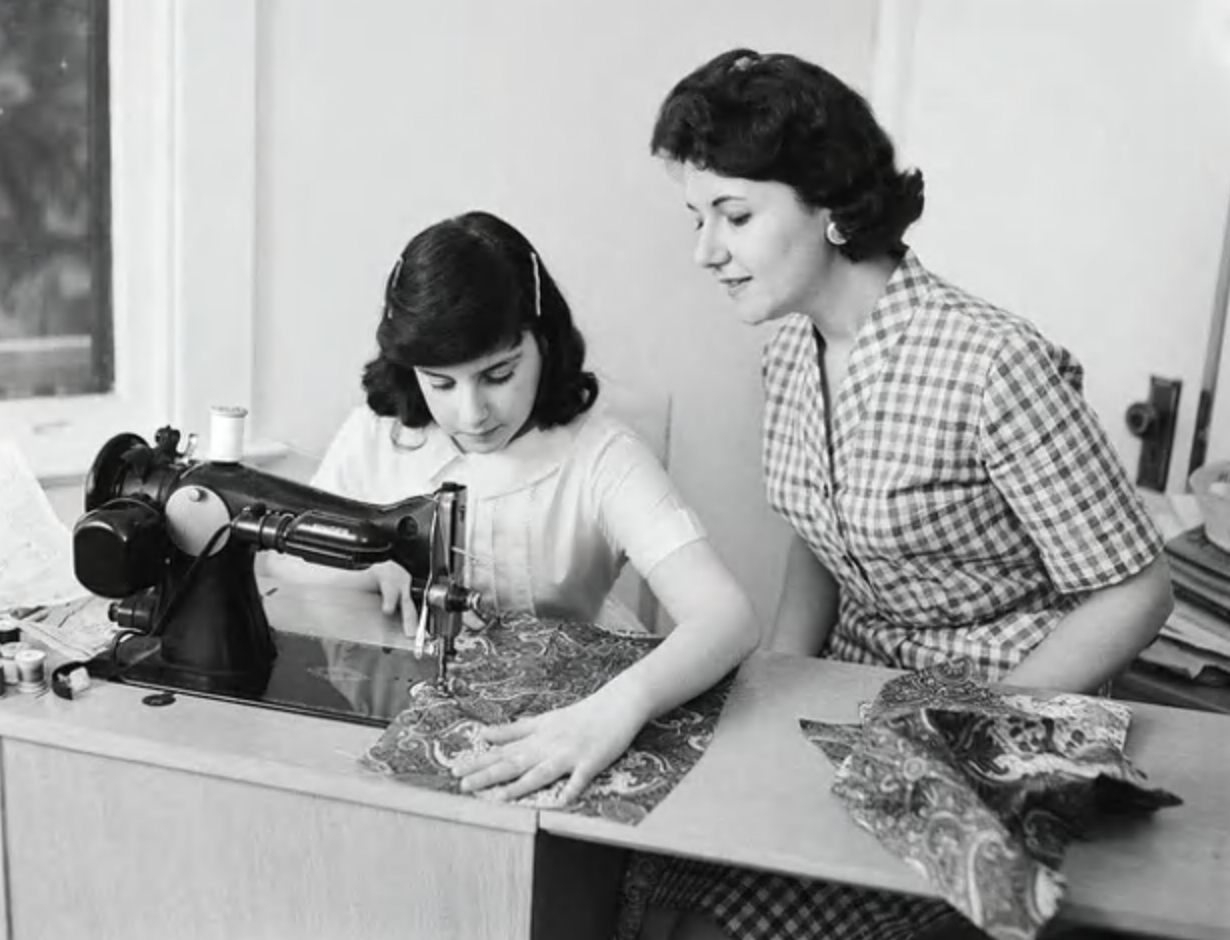
“It’s a shortcoming of our educational system, among other things, that children don’t exit high school with this basic understanding,” Harvey wrote. That is why we must reinstate the old home economics class.” Make it a requirement in secondary schools and call it “Skills for Life.” Teach fundamental economics, budgeting, comparison shopping, basic cooking skills, and time management. Give them a better start in life than they currently have. ”
It appears to be a valid judgment, and it echoes the feelings of several older Americans who are amazed at how inept younger generations are. But does data support this in the same way that anecdotal evidence does?
Let’s start with one of the fundamental skills that everyone should know: changing a tire. We’ve all certainly been in a position when a tire needed to be changed, but do you know how to do it?
According to a Cooper Tires survey, around 74% of Americans can repair a flat tire. Moreover, contrary to the widespread belief that young people lack the abilities required to change a flat, younger Americans reported knowing how to change a flat more than older Americans. 78% of Gen Xers and 77% of Millennials said they could fix a flat tire, compared to 71% of baby boomers and 67% of the silent generation.
70% of Generation Z, which currently ranges in age from 8 to 23 years old, reported knowing how to replace a flat tire.
So, understanding how to fix a flat tire is almost universal, but what about cooking? One of the cornerstones of home economics was knowing how to cook. Cooking would seem to be declining in the absence of a home economics class, but a study published in Biomed Central revealed the contrary—that the prevalence of cooking at home is increasing.
According to the report, which was published in 2018, the percentage of college-educated males who cook increased from 37.9% to 51.9% between 2013 and 2016. College-educated women also cook more often, growing from 64.7% to 68.7% over the same time span.
Is this to say that we don’t need home economics classes? Not everyone would concur. Tommy John, a men’s underwear manufacturer, polled 1,000 people to find out which domestic activities they could accomplish on their own. Their findings hint at a world in which most people lack basic home skills—at least without the assistance of Google.
Tommy John discovered that one in every three people cannot complete fundamental household duties alone, that men are 1.6 times more likely than women to lack essential skills, and that most people would rather pay for laundry services than do it themselves.
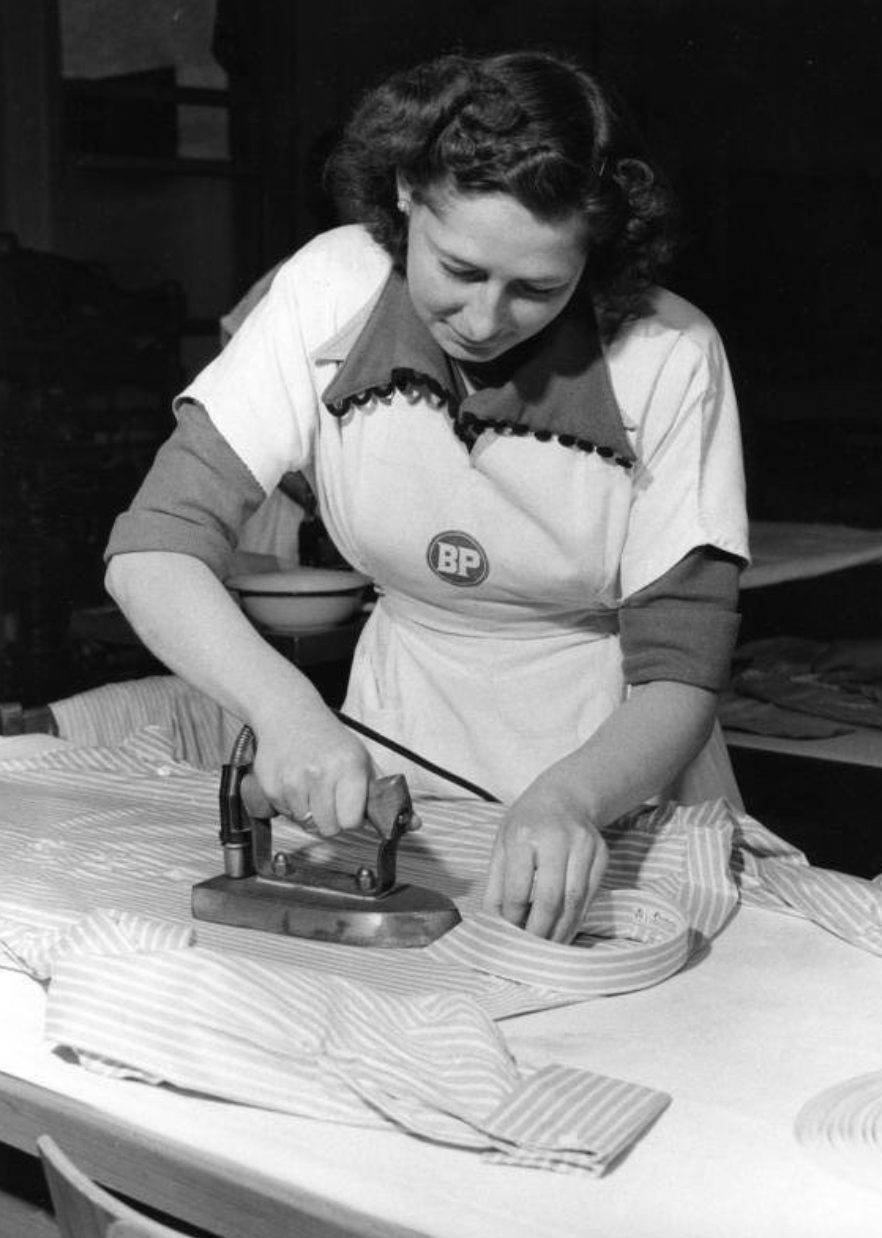
According to their findings, 56% of people could iron a shirt, 47% could remove clothing stains, 46% could read laundry tag symbols, 45% could sew a button, and only 12% could tailor apparel.
A home economics program for the twenty-first century may need to do much more than teach individuals how to manage their households. According to a British Chambers of Commerce survey of 3,000 employers, 90% of young people who have left school are unprepared for job. They report similar results for almost half of all college grads.
The chambers have asked for work experience to be taught in secondary schools in the UK to teach kids about resilience, effective communication, and working as part of a team. Many organizations think that, even though they often need younger workers, hiring one is a risky bet because of these problems.
There is a lot of evidence out there that suggests younger generations are more skilled than older generations, and quite frankly, the opposite is true. What is obvious is that the life skills required by young people in the twenty-first century differ significantly from those required by young people in the nineteenth century. If home economics is reinstated, the curriculum should be completely revamped.