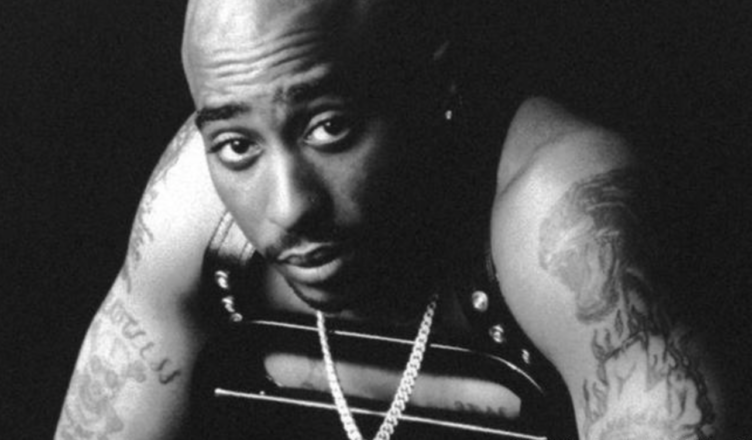
Tupac Shakur lived several lives during his 25 years on Earth. He was a street poet who worked as a backup dancer, a thug life provocateur, and a Machiavelli scholar. His desire to have his art make a difference in the world was the common denominator in each metamorphosis.
Nonetheless, according to Shakur’s legendary posthumous single “Changes,” he did not believe he had made a difference. Listening to the song on what would have been his 45th birthday, it’s tough to overlook how hauntingly current it is nearly two decades later. The precise conflicts Shakur was fighting before he was killed in September 1996 are the same battles his politically-minded musicians are fighting today — albeit with slightly less lyrical prowess.
The best inside joke in hip-hop is that Tupac Shakur never died. According to legend, Shakur faked his own death and moved underground, where he continued to record uninterrupted. In one of his lost episodes, Dave Chappelle satirized the notion, while Clickhole flipped the joke on another gangster rapper in a fantastic 2014 essay.
That joke helps to reconcile how mystically prescient Shakur’s observations have remained.
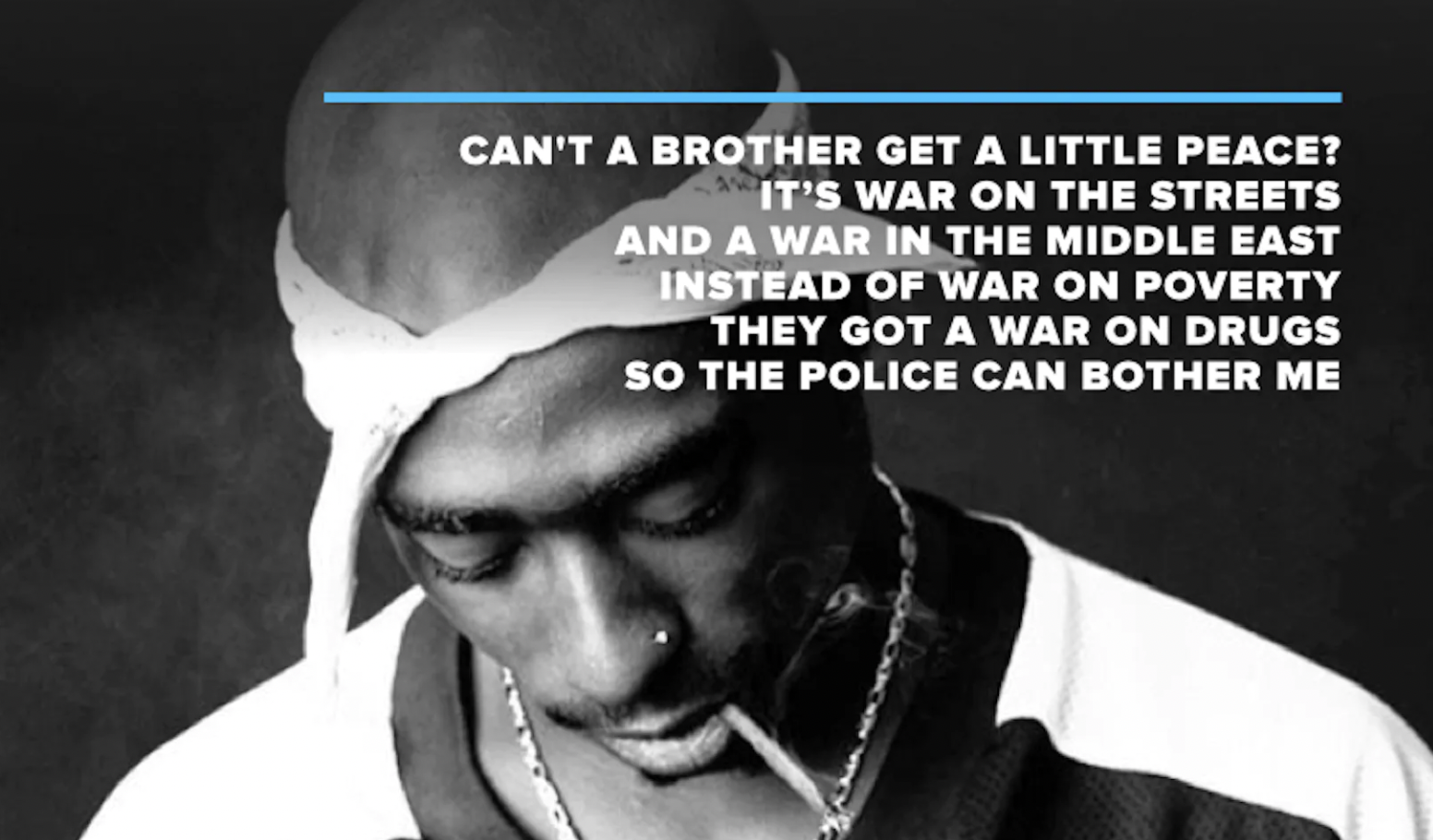
On the third and most cutting verse of “Changes,” he raps, “It’s war on the streets and a war in the Middle East.” “Instead of a war on poverty/They got a war on drugs so the cops can bother me.”
The statistics are played out again in the song: “The penitentiary’s packed, and it’s loaded with blacks.”
“And although it seems heaven-sent,” he spits in the second stanza, “we ain’t ready to see a black president.” Despite this, voters re-elected Barack Obama twice. However, if their response to those parameters is to open the White House to a Drumf regime, it is apparent that racism in America is far from done.
None of this is to argue there hasn’t been progress. Shakur, like many creative artists, was years ahead of his time. Politics has begun to catch up and turn these songs into national debates.
The same concerns addressed by Shakur in “Changes” — racial inequity and institutional brutality both at home and abroad, as well as the discriminatory character of poverty — were central to this year’s presidential debates. These are the issues at the heart of the Black Lives Matter movement, which has made its presence known during this election season. There are still hip-hop albums with these themes, like Run the Jewels’ chaotic rants, Beyoncé’s controversial Lemonade, and Kendrick Lamar’s To Pimp a Butterfly, which was inspired by 2Pac.
“It’s time for us as a people to start making some changes/ Let’s change the way we eat, let’s change the way we live/ And let’s change the way we treat each other” — Tupac Shakur, “Changes”
“It’s frustrating to know that what he said is hard to comprehend,” Lamar said in a Konbini video in which he was asked to listen to and respond to Shakur’s “Changes.” “He’s saying everything that we’re saying today… When are we going to understand that we’re put on this earth to love?… I really think that war will continue, frustration will continue, anger will continue, until we finally return to the simplest word: love.”
Nothing is easy about changing the way we live or the way we treat one another, but that is where Shakur urged we begin. “Changes” will always be there to remind us of our objective and make the battle worthwhile. That will never change as long as we continue to appreciate the hip-hop’s elders.